Managing a chronic health condition used to mean regular hospital visits, occasional medical tests, and hoping everything stayed under control between appointments. Today, digital technology is changing that experience in some pretty exciting ways.
Imagine someone living with diabetes being able to monitor glucose trends throughout the day or a patient with hypertension sharing home blood pressure readings directly with their healthcare team.
These possibilities are becoming increasingly accessible through digital health monitoring.
Digital health monitoring for long-term chronic care outcomes combines connected medical devices, remote patient monitoring, mobile health applications, and virtual healthcare services to support people managing ongoing medical conditions.
Instead of relying exclusively on occasional checkups, healthcare professionals can review health information over time, identify concerning patterns, and make more informed treatment decisions.
Of course, technology alone cannot solve the challenges of chronic disease management. Effective care still depends on clinical expertise, patient engagement, reliable data, and accessible healthcare services.
Let’s explore how digital health monitoring works, which technologies offer meaningful benefits, and how healthcare organizations can use them to improve long-term patient outcomes.
1. Understanding Digital Health Monitoring in Chronic Disease Management
Chronic conditions such as diabetes, cardiovascular disease, chronic respiratory disorders, and hypertension often require continuous attention.
Unlike short-term illnesses, these conditions may need medication adjustments, lifestyle support, symptom monitoring, and regular medical assessments over many years.
Digital healthcare solutions can make this ongoing process more connected and responsive.
Moving Beyond Traditional Healthcare Visits
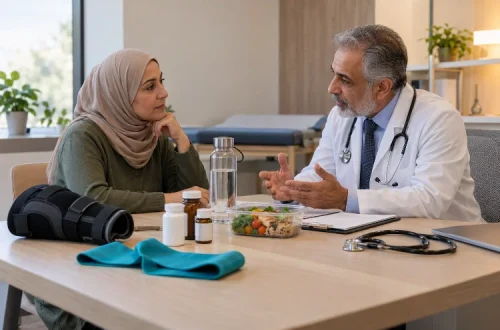
Conventional chronic disease management often relies on information collected during scheduled appointments.
A healthcare provider might measure blood pressure, review medication use, discuss symptoms, and recommend adjustments before arranging another visit several months later.
However, important changes can occur between appointments.
Remote monitoring helps address this information gap by collecting selected health measurements outside traditional clinical settings.
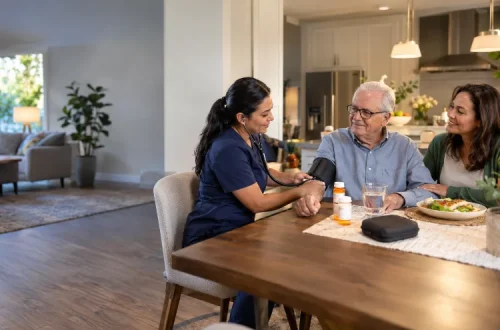
For example, someone with hypertension may measure blood pressure at home several times per week.
When these readings are securely shared with their healthcare team, clinicians can assess longer-term patterns rather than relying on one measurement taken during an appointment.
What Is Remote Patient Monitoring?
Remote patient monitoring, commonly called RPM, involves using digital medical devices to collect health information while patients are outside healthcare facilities.
According to the U.S. Department of Health and Human Services, these technologies can support chronic disease management by sharing measurements such as blood pressure, glucose levels, body weight, and oxygen saturation.
Some systems transmit information automatically through connected devices.
Others require patients to enter measurements into a secure application.
The real advantage isn’t simply collecting more information. It’s helping healthcare teams recognize clinically meaningful changes and respond appropriately.
2. Essential Technologies Supporting Long-Term Chronic Care
Digital health monitoring includes several technologies that serve different purposes.
Some focus on measuring specific physiological indicators, while others support medication management, communication, or long-term health education.
Choosing the right technology depends on the patient’s condition, care plan, and ability to use the device comfortably.
Wearable Health Monitoring Devices
Wearable technology has become one of the most recognizable parts of digital healthcare.
Smartwatches, activity trackers, and specialized medical wearables may collect information about heart rate, movement, sleep patterns, or other physiological signals.
Certain regulated devices can provide clinically useful measurements for specific health applications.
However, not every consumer wearable is a medical device, and measurements can vary in accuracy.
For example, a smartwatch showing an unusual heart rate doesn’t automatically establish that someone has a cardiac disorder.
Healthcare professionals should interpret device readings alongside symptoms, medical history, and validated clinical assessments.
Continuous Glucose Monitoring Systems
Continuous glucose monitors, or CGMs, have become important tools for diabetes management.
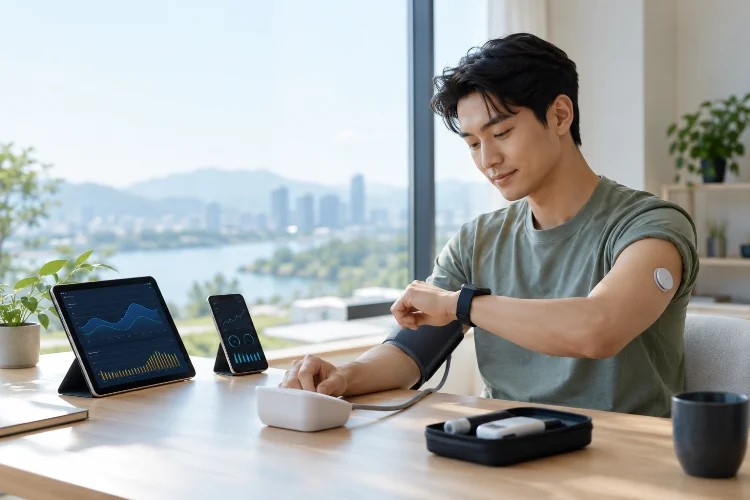
These devices use sensors to estimate glucose levels in interstitial fluid and display changes throughout the day.
They can help eligible patients and clinicians understand glucose patterns, recognize episodes of low or high glucose, and evaluate responses to meals, exercise, and medication.
The American Diabetes Association’s 2026 Standards of Care recommend CGM for people with diabetes using insulin, those using certain medications that can cause hypoglycemia, and others whose treatment could benefit from the technology.
CGM systems still require appropriate education, and patients should have access to blood glucose testing when readings seem inaccurate or confirmation is necessary.
Connected Blood Pressure Monitors and Digital Scales
Bluetooth-enabled blood pressure monitors can simplify home measurements and facilitate data sharing with healthcare providers.
Digital scales may also support selected patients with heart failure when monitoring body weight is part of an individualized care plan.
For example, unexpected weight changes may prompt further assessment when accompanied by concerning symptoms or other clinical findings.
However, weight fluctuations aren’t always caused by fluid retention, and monitoring thresholds should be determined by the clinical team.
The most useful devices are those connected to a clear medical purpose rather than purchased simply because they offer more features.
3. How Digital Monitoring Can Improve Clinical Outcomes
One of the biggest questions surrounding digital healthcare is whether these technologies actually improve patient health.
The answer depends on the condition being managed, the quality of the monitoring program, and how effectively healthcare teams respond to collected information.
Research suggests meaningful benefits in several areas, although outcomes aren’t identical across every setting.
Better Blood Pressure Management
Hypertension is particularly suitable for home monitoring because blood pressure can fluctuate throughout the day.
A 2024 systematic review and meta-analysis published in JAMA Network Open examined 28 studies involving digital health interventions among U.S. populations experiencing health disparities.
Researchers found that digital interventions were associated with greater reductions in systolic blood pressure at six and twelve months compared with standard care.
Many interventions included remote monitoring alongside other forms of support.
This distinction is important because simply owning a digital blood pressure monitor isn’t equivalent to participating in a structured care program.
Clinical feedback, treatment adjustments, and ongoing engagement can make the information considerably more useful.
Supporting Diabetes Self-Management
Digital diabetes care can help patients understand how their treatment relates to everyday glucose patterns.
Connected glucose meters, CGMs, medication reminders, and online education platforms can support self-management.
According to the ADA’s 2026 guidance, digital diabetes technologies combined with appropriate education, clinical follow-up, and treatment can improve glycemic outcomes.
Relevant measurements include HbA1c, time spent within an individualized glucose target range, and episodes of hypoglycemia.
However, the appropriate technology differs between patients.
An individual using intensive insulin therapy may have different monitoring requirements from someone managing early type 2 diabetes through lifestyle changes and non-insulin medication.
Reducing Heart Failure Complications
Heart failure often involves ongoing assessment of symptoms, treatment response, and fluid status.
Remote monitoring programs may help patients recognize concerning changes and communicate with care teams before problems become more severe.
A 2025 meta-analysis published in the European Journal of Heart Failure reviewed 41 randomized controlled trials involving 16,312 participants.
The analysis found that remote monitoring was associated with reductions in mortality and first heart failure hospitalization compared with usual care.
However, the studies used different monitoring technologies and care models, making it difficult to identify one universally effective approach.
The results suggest that well-designed programs can provide clinical benefits, but success depends heavily on implementation.
4. Turning Health Data Into Meaningful Clinical Decisions
Collecting information is only the first step in effective digital monitoring.
The next challenge is transforming that information into decisions that improve patient care.
Without a clear response system, even sophisticated monitoring devices may create additional work without delivering meaningful benefits.
Establishing a Connected Monitoring Workflow
A reliable remote monitoring program generally follows a coordinated process.
Patients collect measurements through appropriate devices, and relevant information is transmitted to a secure healthcare platform.
Clinical staff then review the results according to established monitoring schedules and alert protocols.
When concerning readings appear, the team may contact the patient, confirm measurement accuracy, assess symptoms, or arrange additional care.
For example, a patient with persistently elevated blood pressure might recieve a follow-up call from a nurse or pharmacist.
The clinician could review medication adherence, measurement technique, and potential reasons for the readings before deciding whether a treatment adjustment is appropriate.
Personalized Alerts and Clinical Thresholds
Digital platforms can notify healthcare professionals when measurements cross predefined thresholds.
However, not every unusual reading represents an emergency.
A heart rate measurement may be affected by physical activity, device positioning, or temporary physiological changes.
Clinical alert thresholds should therefore consider the patient’s diagnosis, treatment plan, and relevant medical history.
Too many unnecessary notifications can cause alert fatigue, making important signals harder to identify.
The objective is to create an efficient system that highlights clinically relevent information without overwhelming patients or healthcare workers.
Connecting Digital Platforms With Medical Records
Electronic health records can improve continuity by making monitoring information available to authorized healthcare professionals.
When remote data and clinical documentation are connected, teams may find it easier to coordinate medication reviews, referrals, and follow-up appointments.
Interoperability standards such as HL7 FHIR support structured health information exchange across compatible systems.
However, technical integration alone isn’t enough.
Organizations must establish data ownership, access permissions, responsibilities for reviewing alerts, and procedures for responding to technical failures.
5. Improving Patient Engagement and Everyday Self-Management
Digital healthcare works best when patients understand how the information relates to their health.
Monitoring shouldn’t turn everyday life into an endless collection of numbers.
Instead, it should help individuals make informed decisions, communicate with clinicians, and feel more confident managing their conditions.
Encouraging Active Participation
Mobile applications can display measurements through understandable graphs, reminders, and progress summaries.
For someone managing hypertension, viewing several weeks of home blood pressure readings may help illustrate changes following prescribed treatment.
Similarly, an individual using glucose monitoring may better understand how physical activity affects their glucose patterns.
This feedback can support discussions with healthcare professionals.
However, patients shouldn’t independently stop medications or make major treatment adjustments based solely on app-generated suggestions unless they are following an agreed clinical plan.
Medication Management and Adherence
Taking medication consistently can be challenging, particularly when patients manage several prescriptions.
Digital reminder systems may help people remember medication schedules, prescription refills, and upcoming appointments.
Some applications also provide educational information about treatment.
Nevertheless, reminders cannot solve every reason for medication nonadherence.
Financial difficulties, side effects, complicated dosing schedules, and misunderstanding treatment instructions may require direct clinical support.
Digital tools are most helpful when they complement these broader services.
Maintaining the Human Connection
One concern about digital healthcare is that technology could make patient-provider relationships feel less personal.
In reality, well-designed monitoring may create additional opportunities for meaningful communication.
Virtual consultations, secure messaging, and scheduled follow-up calls can help patients discuss problems without unnecessary travel.
For people with mobility limitations or long distances to healthcare facilities, these options may improve convenience.
The most succesful programs use technology to strengthen clinical relationships rather than replace them.
6. Addressing Privacy, Accessibility, and Technology Limitations
Digital health monitoring offers promising opportunities, but implementation comes with important challenges.
Healthcare organizations need to consider affordability, accessibility, cybersecurity, and the accuracy of connected devices.
Ignoring these factors can reduce effectiveness and potentially worsen existing healthcare inequalities.
Protecting Sensitive Patient Information
Connected monitoring systems may process sensitive medical information, including diagnoses, treatment details, and physiological measurements.
Unauthorized access or cybersecurity failures can create serious privacy and patient safety concerns.
The U.S. Food and Drug Administration advises patients and caregivers to use strong passwords, maintain device updates, and connect medical devices only to approved systems.
Healthcare providers should also evaluate encryption, access controls, data retention, and vendor security practices.
Applicable privacy laws differ between countries, so organizations must follow the regulations governing their operations.
Patients should receive clear explanations about what information is collected, who can access it, and how it will be used.
Bridging the Digital Divide
Not everyone has reliable internet access, a compatible smartphone, or confidence using digital technology.
Older adults, people with disabilities, rural populations, and financially disadvantaged communities may face additional barriers.
These challenges can limit participation even when monitoring programs are clinically beneficial.
Healthcare organizations can improve accessibility by offering device training, technical assistance, simplified interfaces, and alternatives that don’t require constant smartphone use.
Some patients may prefer telephone-based support or traditional monitoring methods.
The goal should be better healthcare access, not forcing everyone into the same digital system.
Understanding Device Accuracy and Reliability
Connected medical devices can produce incorrect readings because of sensor problems, improper use, calibration issues, or transmission failures.
Consumer wearables also vary in how accurately they measure physiological indicators.
This means clinical decisions should consider measurement quality and the patient’s symptoms.
Patients need clear instructions explaining when to repeat a reading, when to contact their healthcare team, and when urgent medical attention is necessary.
Remote monitoring isn’t a substitute for emergency care, especially when severe or rapidly worsening symptoms occur.
7. Building Effective Long-Term Monitoring Programs
Healthcare organizations need more than devices and software to deliver sustainable chronic care monitoring.
Successful programs require appropriate patient selection, clinical workflows, trained personnel, financial planning, and measurable outcomes.
A structured approach makes it easier to identify what works and where improvements are needed.
Start With Clearly Defined Clinical Goals
Before launching a digital monitoring program, organizations should determine which health problem they want to address.
A hypertension program might prioritize improving blood pressure control.
A diabetes initiative could focus on glucose management and preventing clinically significant hypoglycemia.
Meanwhile, heart failure services may aim to improve quality of life and reduce avoidable hospital admissions.
These objectives influence device selection, monitoring frequency, staffing requirements, and evaluation methods.
Use a Practical Pilot Program
Consider a healthcare organization introducing remote blood pressure monitoring for 200 eligible patients.
The team provides validated home monitors, teaches proper measurement techniques, and establishes regular clinical reviews.
After three months, the organization examines measurement participation, follow-up completion, and changes in blood pressure.
It also gathers patient feedback about technical difficulties and convenience.
This is an illustrative implementation example, not a claim about observed research results.
Comparing outcomes against appropriate baseline or comparison data can help determine whether the program provides genuine improvements.
Evaluate Clinical and Operational Outcomes
Long-term evaluation should go beyond counting how many devices are distributed.
Healthcare organizations can examine blood pressure control, HbA1c trends, hospitalizations, patient-reported quality of life, engagement, and continuity of care.
Operational indicators may include alert response times, device connectivity, technical support requirements, and clinician workload.
Cost-effectiveness also deserves attention.
Digital monitoring may reduce certain travel requirements or avoidable healthcare utilization, but equipment, staffing, software, and maintenance generate expenses.
Not every program will produce financial savings, even when some clinical outcomes improve.
Monitor Equity and Sustainability
An effective program should assess whether benefits reach different patient groups.
Differences in age, language, disability status, geography, and digital access may affect engagement.
Organizations should investigate disparities rather than assuming that overall improvements benefit everyone equally.
Sustainable monitoring also requires clear policies for technical failures, changes in patient eligibility, and the transition between remote and in-person care.
A flexible model allows technology to support long-term healthcare without becoming unnecessarily complicated.
8. The Future of Digital Health Monitoring and Chronic Care
Digital healthcare continues to evolve as connected devices, software platforms, and analytical tools become more sophisticated.
Emerging technologies may improve how clinicians interpret patient information and identify changing health risks.
However, future development should prioritize measurable clinical value instead of technological novelty.
Artificial Intelligence and Predictive Analytics
Artificial intelligence can analyze large quantities of patient-generated health data and identify patterns that may deserve clinical attention.
For example, carefully validated prediction tools could help healthcare teams prioritize follow-up among patients showing concerning trends.
These systems may eventually support more personalized chronic disease management.
But AI predictions can be inaccurate, biased, or poorly suited to populations that differ from their training data.
Human oversight, external validation, and ongoing safety evaluation remain essential before relying on algorithmic recommendations.
More Integrated Home Healthcare
Future chronic care models may combine remote measurements, telehealth appointments, medication management, and patient education within coordinated platforms.
This could make healthcare less dependent on isolated clinical appointments.
A patient might discuss several weeks of monitoring information during a virtual consultation, allowing the clinician to focus on meaningful changes instead of reconstructing recent events from memory.
Better integration may also help multidisciplinary teams coordinate care for patients managing several chronic conditions.
Still, convenience shouldn’t come at the expense of necessary physical examinations or diagnostic testing.
A More Personalized Approach to Long-Term Care
The future of digital monitoring is likely to involve selecting technologies according to individual clinical needs.
Some patients may benefit from daily connected measurements, while others require only periodic checks and regular consultations.
Monitoring intensity should change as health status, treatment, and personal circumstances evolve.
This approach can reduce unnecessary data collection while maintaining appropriate clinical oversight.
Ultimately, the best digital health solution isn’t the one with the most sensors or advanced features.
It’s the one that helps patients and healthcare professionals make safer, better-informed decisions over time.
Digital health monitoring for long-term chronic care outcomes is changing how healthcare professionals and patients approach ongoing disease management.
Connected medical devices, remote patient monitoring, mobile applications, and virtual consultations can support earlier recognition of health changes, more informed treatment decisions, and improved patient engagement.
Research suggests meaningful benefits for certain conditions, particularly when technology is combined with structured clinical support.
However, success requires reliable devices, patient education, secure information systems, equitable access, and clear clinical responsibilities.
Digital solutions should enhance professional care rather than replace it.
Ready to explore connected chronic care? Start by identifying the health measurements that matter most, discussing suitable monitoring options with a healthcare professional, and developing a practical plan for reviewing results.
Better long-term care begins with turning meaningful health information into timely action.